Enrollment for our 2027 trips is open! Check out details on our early bird discount here to save $300 on your 2027 Apogee tuition and peruse our 2027 trip offerings (including a brand new itinerary!).
Good evening, Apogee! The views and vistas out in the field just keep on pouring in, only made better by all of the smiling faces in them. We welcome a few new faces, as today we welcome the second iteration of two trips, IMC and PMC! On a more bittersweet note, today also marks the final hurrah for ECC and DMCC, some of our most intrepid European explorers—but what better place to end an Apogee trip than with a day of exploration and delicious food in Venice? Today’s theme will celebrate the places we’re going to, are in, and are now leaving by taking a minute to look at some invaluable yet often overlooked parts of our environments: plants! With little features for each endemic species, we’ll learn a bit more about the physical places we’re so lucky to be in and appreciate the natural world all the more.
Skip to a Specific Trip: AX, CRM, CSVI, DMCC, ECC, IMC, PMC, VM
Alps Explorer (AX)
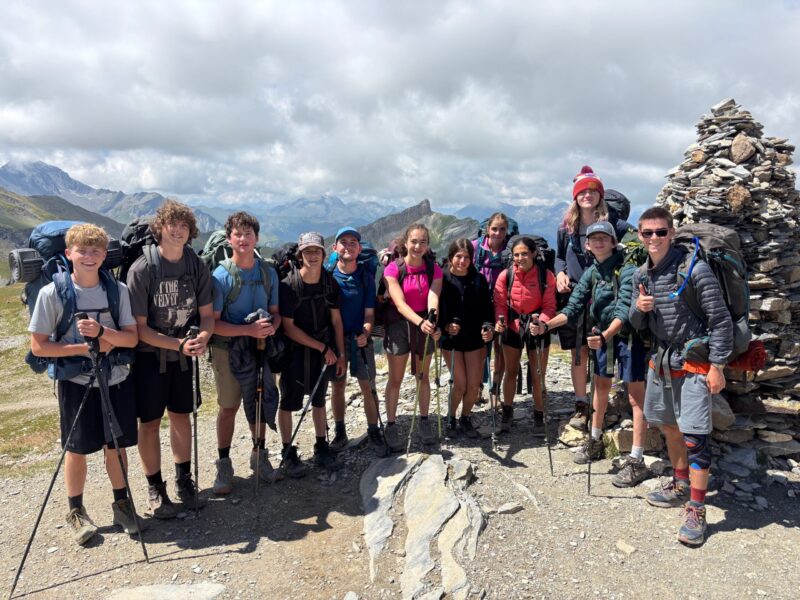
The miles (or kilometers, if you want to be region-accurate) are flying by! Today our AXers put their biggest climb of the trip behind them. Amazing work!!! On the Col du Bonhomme, they enjoyed gorgeous views of undeveloped wilderness and passed by the Notre-Dame de la Gorge, a famous pilgrimage chapel. Over the 16km hike, our troopers also undoubtedly saw our first and most iconic plant of the day: the Edelweiss (Leontopodium nivale)! Known for its distinctive white flower that never wilts or fades, the Edelweiss was historically a symbol used for romance, steadfastness, national pride, and of course, Alpinism! It’s also known as the “bellyache flower,” thanks to its soothing digestive effects when brewed as a tea. In the French Alps, our hikers might hear the flower referred to as the étoile des Alpes, “the star of the Alps.” Clearly, this little plant makes a big impact—it’s only fitting, then, that this hardy, inspiring flower encapsulates the determination and richness of experience our stalwart TMB hikers have displayed on-trip. Tomorrow, they’ll be off to Italy; tonight, they prep with pizza! Bon voyage!
Colorado’s Rocky Mountains (CRM)
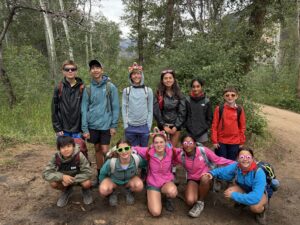
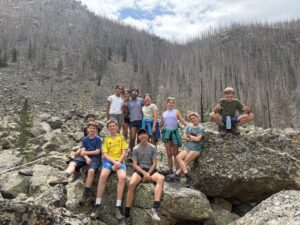
WEEWOOWEEWOOWEEWOO!!! What’s that sound? It’s the CHALLENGE DAY alarm, of course!! Today was a big one for our Coloradan Mountaineers, with our crew tackling a big hike in the USA’s biggest mountains—it can’t get much bigger than that! Our campers trekked up tall peaks with great enthusiasm, showing some impressive grit and positivity. Commemorating their achievement is a truly pretty, if strange, flower of the Rockies: the Spotted Coralroot (Corallorhiza maculata). This red-and-white spotted orchid’s claim to fame is that it doesn’t photosynthesize, instead getting all its nutrients from a symbiotic fungi; bring on the cloudy days! It was the inspiration for a Robert Frost poem and, like the Edelweiss, was also traditionally used as an herbal tea to treat colds and pneumonia. A cool, tough plant for our biggest hikers this side of the Atlantic!
Caribbean Service Virgin Islands (CSVI)
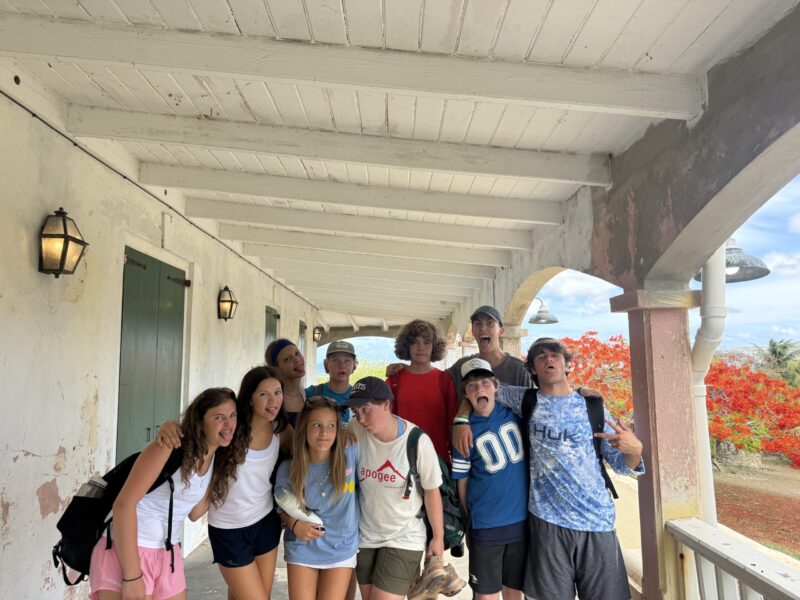
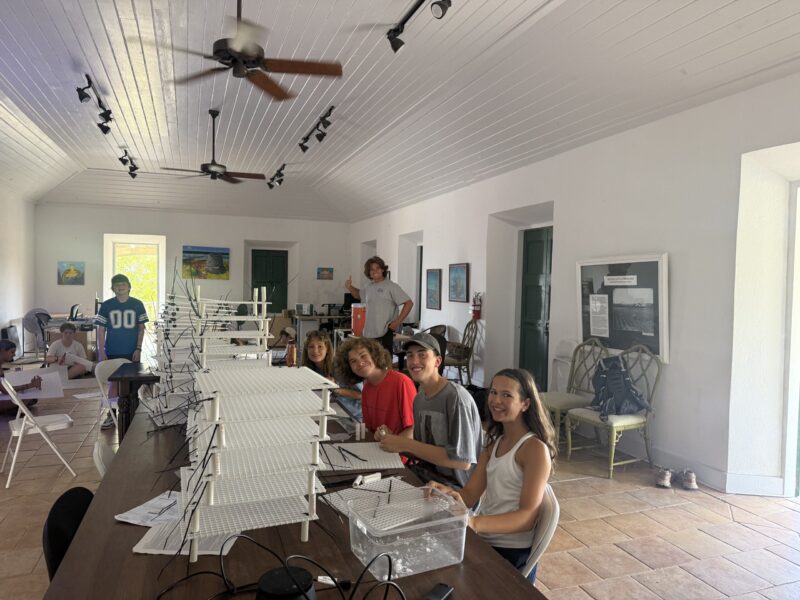
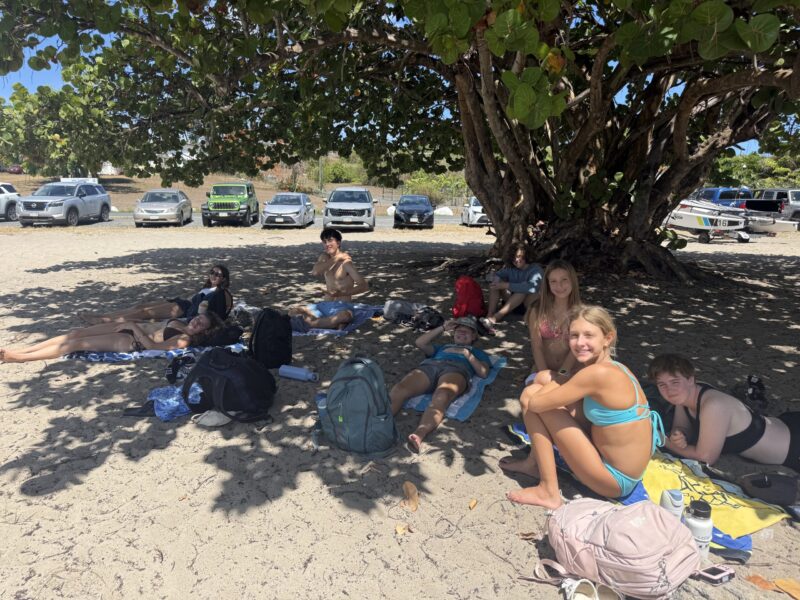
Our CSVI cohort had a fulfilling day of service, working with not one but two great institutions to conserve natural habitats! In the morning, the volunteers built racks for actual coral to grow on in the Nature Conservancy’s Coral Lab. Afterwards, they spent an afternoon swimming at one of St Croix’s many pristine beaches, followed by a sunset service session working with sea turtles. What a dream! Now, some folks might expect this trip’s plant to be coral—and that would make sense, except that coral is an animal (or more accurately, a bunch of little animals)!! Therefore, today’s plant will be the fiery-blossomed tree in CSVI’s group picture, aptly nicknamed the Flamboyant Tree (Delonix regia). Native to Madagascar, not only has this bold tree made its home on 6 continents, but its also become an important cultural symbol of India, Vietnam, and the Caribbean! Because of its bold red flowers, it is often depicted in localized art and design. In addition to providing beautiful ornamentation, it offers people and animals some much-needed shade on hot days. Such an exciting, boisterous plant (which also provides a valuable service to its environment) perfectly matches the vibe of CSVI, whose amazing photos and experiences clearly show how much fun they’re obviously having.
Dolomite Mountains & Croatian Coast (DMCC)
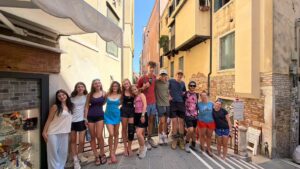
They’ve done it!! After all of their hiking in the Dolomites, seafaring on the Croatian coast, and general exploration of one of Europe’s most beautiful regions, the DMCCers have officially reached the finish line in Venice! Taking an early morning ferry out of Pula, the crew got to explore Italy’s iconic port city for a full day, soaking in its history and taking in all the sights until it was time to sit down at their all-too-soon final dinner. Their plant of the day is Tree Spurge (Euphorbia dendroides), a less-flashy yet still ornamental tree/shrub that’s native to Croatia’s coastline. It’s a cousin to the poinsettia, and its sap has been used to treat warts and tumors—don’t try it at home, though, as it is also pretty poisonous! Thankfully, the DMCC campers were anything but toxic; like the tightly clumped branches of the spurge, they stuck together through thick and thin and completed their trip in the highest of spirits. We hope their good memories will stick with them as tightly as their fake mustaches!

Europe Coast to Coast (ECC)
Wow, wow, wow. You’re telling me they’re finished???? What to do now, with no biking on the itinerary? Well, for a start: exploring Venice! Europe Coast to Coast has officially reached the second coast, and to celebrate our bikers got the highly-coveted privilege of sleeping in this morning!! After a day of strolling over many bridges, shopping, and spending time in palazzos, our cross-continental champions enjoyed their final dinner before heading back to their hostel to prep for tomorrow’s departures. There are few plants able to match their monumental achievement, but if I had to choose one, I would go with the Sand Couch (Thinopyrum junceum). Unassuming and humble at first glance, this grass is a keystone species of the Venice lagoon, its root system trapping sand and providing the foundation for keeping the entire ecosystem intact. Its presence slowly but surely grew the landscape into the beautiful city we now know today; a fitting metaphor for the persistent, oftentimes challenging, ultimately rewarding, dedication it took our ECC crew to make it to the finish line. Plus, there are few things that would earn plopping down on a “couch” more than biking across a continent.
Iceland Mountains & Coast (IMC)
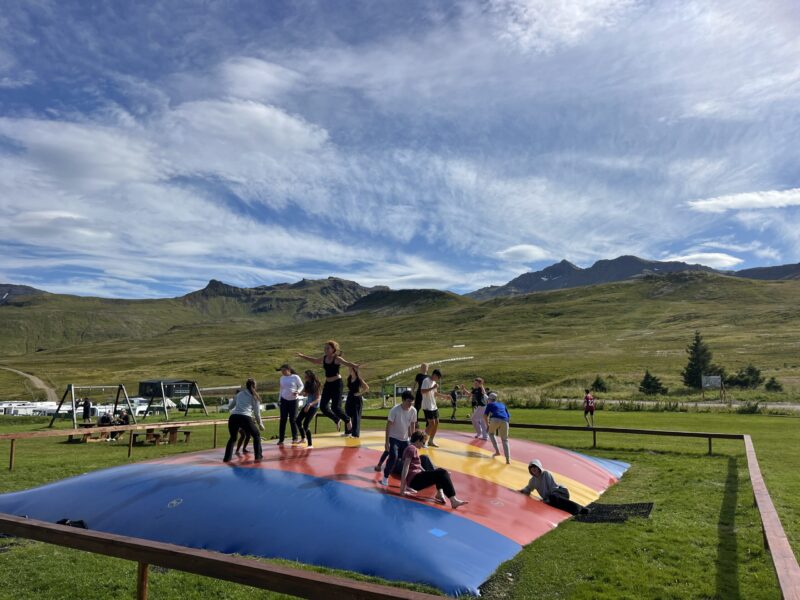
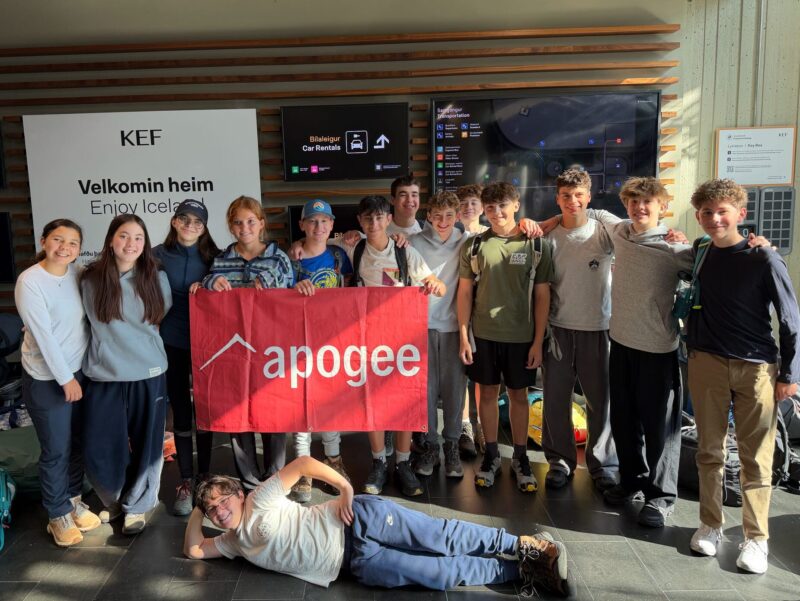
IMC begins! After long plane and bus rides, our new campers have settled down at a truly beautiful campsite (though, if we’re being honest, every campsite in Iceland is beautiful), getting some much-needed rest before the exciting days to come. With such an adventure ahead of them, we think that the slow-to-bloom yet gorgeous Mountain Avens is the perfect plant to encapsulate the trip. A national symbol of Iceland, the Avens has been used (obviously, at this point) as an herbal tea component and in folklore is thought to have the power to attract wealth from the earth. This flower’s natural range also extends to both the Alps and Colorado, connecting three of our hiking trips! With those good vibes circulating from one trip to the next, we know that IMC will offer up many spoils for its participants, and we can’t wait to see what they get up to in this beautiful environment. Góða skemmtun!
Pyrenees Mountains & Coast (PMC)
Welcome to the Pyrenees, intrepid explorers!! An amazing trip lies before our PMC crew, who have already gotten an introduction to the stunning vistas of the region. After being picked up from the airport, our leaders introduced their cohort to their campsite, and then took advantage of the picturesque Spanish afternoon to go on a leisurely hike with views of Sitges and the Mediterranean. A truly biodiverse area, it was tough figuring out which plant could represent this trip. Could it be the once-in-a-lifetime flowering Century Plant? Or the fly-eating carnivorous Butterworts? What about the famed Great Yellow Gentian, the bitterest plant known to man? Well, dear reader, the truth is this—all of these are the plants of the day, because their extreme variety and beauty give us just a taste of what’s in store for the trip ahead. It will be beautiful, enrichening, educational, at times even strange—but marvelous all the same.
Vermont to Montreal (VM)
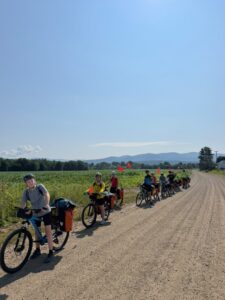
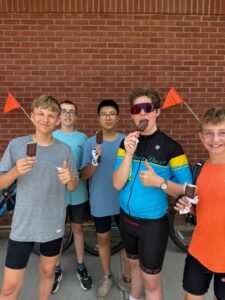
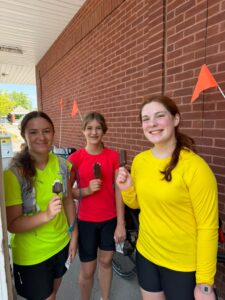
Day 3 of Vermont to Montreal, and our bikers are going strong! With a 17-mile day ending at the college town of Middlebury, VM settled down to play games and swim at their picturesque campsite. Today’s ride snaked through farm-dotted countryside, where our bikers were sure to spot Vermont’s state flower and this trip’s feature plant, the Red Clover (Trifolium pratense)! The citizens of the Green Mountain State were apparently big fans of this little plant in 1894, as that year they overwhelmingly voted for it to represent the state and its farming heritage. The recognizable red flower is often found paired with the state insect, the Western Hummingbee; the honey made from its nectar is amazingly sweet—not something you’d expect from a plant in the bean family! Similarly, our VM riders are already well on their way to having a pretty sweet time as their route takes them north. Before you know it, they’ll be in Canada!